

How Freeze-and-Thaw Cycles Impact Roofs in Louisiana
When most people think about roofing problems in Louisiana, hurricanes and heavy rain usually come to mind first. Winter weather rarely makes the list. Yet every year, short cold snaps paired with warmer daytime temperatures quietly take a toll on roofs across the state. These temperature swings create what we call freeze-and-thaw cycles, and they can cause damage that often goes unnoticed until it turns into a major repair.
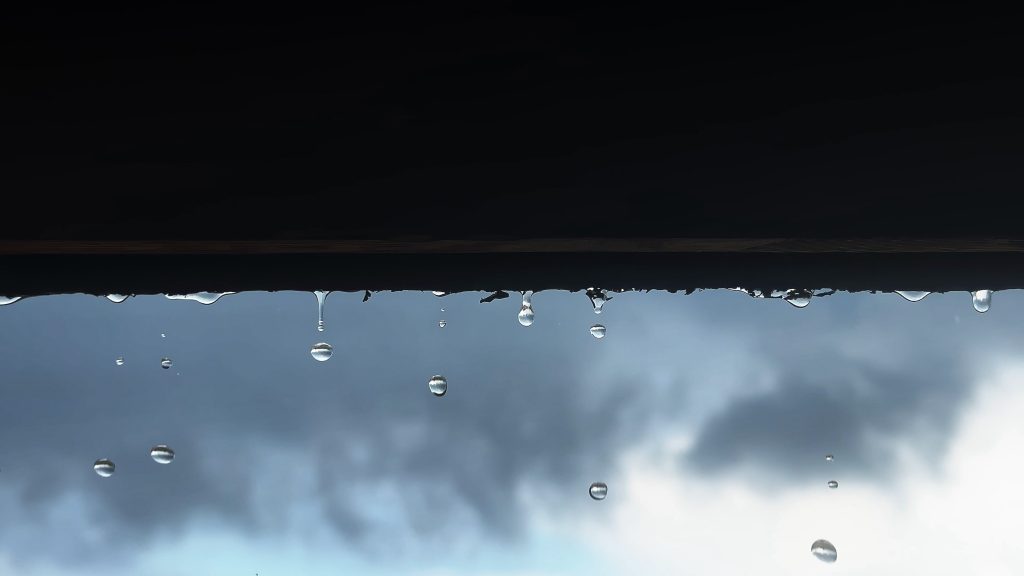
Our team at Coleman Roofing and Construction regularly sees the effects of freeze-and-thaw damage, especially after winters that bring repeated cold nights followed by mild days. Understanding how this process works and how it affects your roof can help you protect your home or business and avoid costly surprises.
What Is a Freeze-and-Thaw Cycle?
A freeze-and-thaw cycle occurs when moisture settles into small openings on your roof, freezes as temperatures drop and then thaws when temperatures rise again. Water expands when it freezes. Even a small amount of trapped moisture can put pressure on shingles, flashing and underlying roofing materials.
One cycle may not cause immediate problems. However, the issue develops when this process repeats over time. Each freeze slightly widens cracks and gaps. Each thaw allows water to sink deeper into the roofing system. Gradually, these small changes weaken the roof’s ability to keep moisture out.
Why Louisiana Roofs Are Especially Vulnerable
Freeze-and-thaw damage is often associated with northern climates, but Louisiana roofs face a different type of risk. The concern here is fluctuation rather than prolonged cold.
Warm daytime temperatures cause ice to thaw and roofing materials to expand. Cold nights cause water to freeze and materials to contract. This repeated movement places stress on shingles, fasteners and flashing. When moisture is present, that stress becomes far more damaging.
High humidity also plays a role. Louisiana air holds moisture even during winter months. Roofs often stay damp long after rainfall or overnight condensation. That moisture settles into seams, nail holes and hairline cracks that are invisible from the ground.
Many homes and businesses across the state also have roofing systems designed primarily for heat management and storm protection. Without proper ventilation and insulation, attic conditions can contribute to uneven thawing on the roof surface. Uneven thawing increases the chance of water finding its way into vulnerable areas.
Common Roofing Problems Caused by Freeze-and-Thaw Cycles
Freeze-and-thaw cycles can impact several parts of a roof, sometimes all at once. The most common issues include the following.
Cracked or Damaged Shingles
As shingles absorb moisture, freezing temperatures cause that moisture to expand, which leads to surface cracking, splitting and loss of protective granules. Asphalt shingles are especially vulnerable because they rely on flexibility to perform correctly.
Once shingles begin to crack, they lose their ability to shed water effectively. That allows moisture to move beneath the roofing system and speeds up overall deterioration.
Roof Leaks That Develop Gradually
Freeze-and-thaw damage often creates leaks that do not appear right away. Water seeps into small openings during warmer periods. When that water freezes and expands, it enlarges those openings. When the ice melts, water travels deeper into the roof system.
This slow progression makes freeze-and-thaw leaks difficult to detect. By the time water stains appear on ceilings or walls, the damage beneath the surface may already be extensive.
Flashing and Seal Failure
Flashing protects areas where the roof meets chimneys, vents and valleys. These areas already face higher exposure to moisture. Metal flashing expands and contracts with temperature changes, and sealants around flashing can harden and crack as the cycle repeats. Once the flashing loosens or the sealant fails, water then has a direct path into the roof system.
Damage to the Roof Deck and Structure
When moisture reaches the roof deck, freeze-and-thaw cycles can cause deeper structural issues. When wood decking absorbs water and freezes, the repeated exposure can lead to warping, rot and weakened support for shingles.
This damage often remains hidden until shingles are removed or leaks become severe. Early inspections are critical to preventing structural repairs.
Warning Signs Your Roof May Have Freeze-and-Thaw Damage
Freeze-and-thaw damage tends to develop quietly. Property owners often miss early warning signs because the roof may look fine from afar.
- Shingles: Shingles that appear cracked, curled or excessively worn can signal temperature-related stress.
- Granules: Granules collecting in gutters may indicate shingle breakdown.
- Water: Inside the building, water stains on ceilings or walls point to moisture intrusion. A musty smell in the attic or damp insulation is another red flag.
- Energy Bills: A sudden increase in energy bills can also be connected to roofing problems. A compromised roof allows heat to escape more easily in winter and lets hot air enter during warmer months. That forces heating and cooling systems to work harder.
Steps You Can Take to Protect Your Roof
Weather cannot be controlled, but there are steps you can take to reduce the impact of freeze-and-thaw cycles on your commercial or residential roof.
- Ventilation: Proper attic ventilation helps regulate roof temperature and reduces moisture buildup. Balanced airflow prevents warm air from becoming trapped beneath the roof surface, which limits uneven thawing.
- Insulation: Insulation plays an equally important role. Adequate insulation keeps indoor heat from escaping into the attic during cold weather. That helps maintain more consistent roof temperatures.
- Inspections: Routine roof inspections remain one of the most effective preventive measures. A professional inspection after winter weather can identify small problems before spring rains make them worse.
- Repairs: Timely repairs also matter. Sealing minor cracks or replacing damaged shingles early helps prevent moisture from entering the roofing system and restarting the freeze-and-thaw process.
How Coleman Can Help
Freeze-and-thaw cycles may be brief in Louisiana, but their impact on roofs can be significant. Repeated temperature changes combined with moisture slowly weaken roofing materials and create hidden vulnerabilities.
Understanding how this process works allows homeowners and business owners to take action before damage becomes severe. Regular inspections, proper ventilation and timely repairs all help extend the life of a roof.
Coleman Roofing & Construction proudly provides commercial roofing, industrial roofing, roof repair, roof inspections and exterior services throughout Gonzales, Baton Rouge, Lafayette and Mandeville. Backed by over 40 years of experience, our team delivers dependable service and quality workmanship for properties across Louisiana.
If winter weather has raised concerns about your roof, Coleman Roofing and Construction is ready to help with professional inspections and reliable roofing services designed for Louisiana roofs. Protect your roof today and help prevent costly repairs tomorrow. Contact us today.