

Common Roof Repairs You Shouldn’t Delay
A durable roof protects your property through every season and every type of weather. When something goes wrong, even small issues can grow quickly and threaten the safety of the entire structure. Many property owners feel tempted to put off repairs because the problem appears minor. But the reality is that roofing problems rarely ever stay small. They worsen with time and eventually become costly hazards.
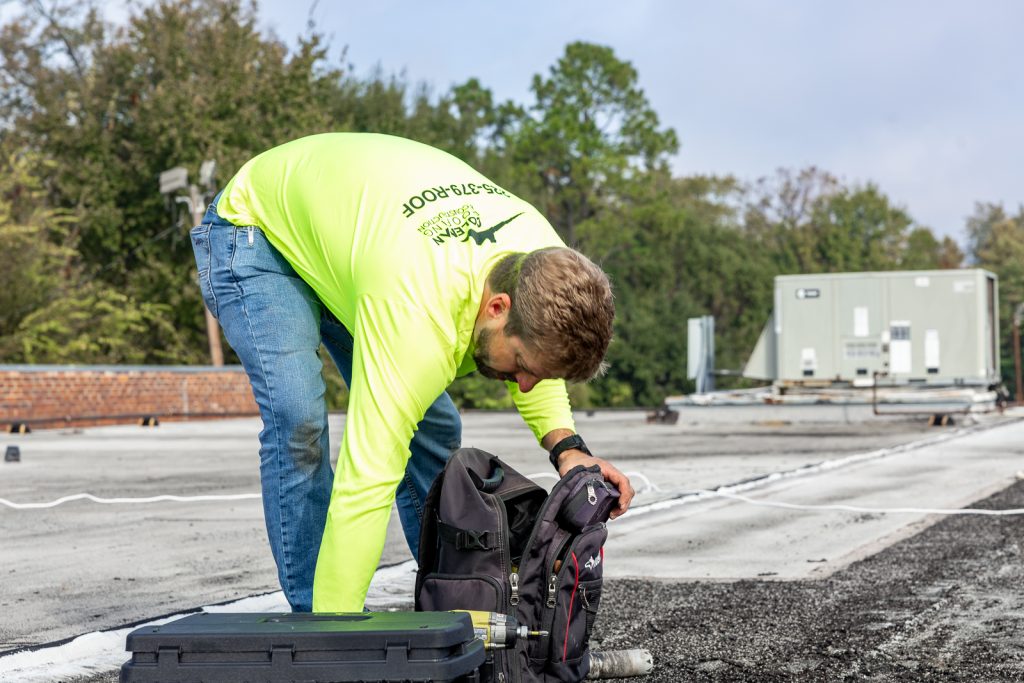
Your roof experiences constant stress. Sun, moisture, wind and temperature swings all push roof materials to their limits. Proactive roof maintenance makes a meaningful difference in how long a roof lasts. Repairs that are handled promptly often prevent widespread roof damage and help keep your investment secure. Understanding common roof issues helps you recognize the warning signs early and avoid unnecessary risks.
The High Cost of Waiting
Many roofing problems start quietly. A small drip here or there, a shingle that curls up slightly or a small gap near flashing might seem harmless. But once water enters the roofing assembly, the consequences expand quickly. Moisture intrusion leads to deterioration, mold growth and interior damage that many owners never see until the repairs become significant.
Energy efficiency also changes when roofing issues are ignored. A compromised roof allows air transfer where none should exist. HVAC systems will work harder to keep the building comfortable. Monthly bills rise and delayed repairs slowly increase operating costs which continue to climb over time.
Common Types of Roof Repairs
Understanding the types of roof repairs that require attention can help you make informed decisions. Each category below represents an issue that frequently turns into a far bigger problem when ignored.
Leaks and Water Intrusion
Roof leaks remain one of the most common problems for both residential properties and commercial facilities. Leaks often come from aging shingles, flashing failures, storm impacts or worn sealants. They may start small, yet water often moves farther than expected once it gets inside the roof assembly.
Signs of a leak include stains on ceilings, bubbling paint, damp smells in attic spaces and visible moisture around roof penetrations. Water damage poses a threat to the entire building because it creates opportunities for mold, rot and structural weakening. The longer water remains undetected, the more damage occurs. Repairing leaks early prevents damage from spreading through multiple layers of the roof.
Damaged or Missing Shingles
Strong winds and hail create frequent damage to shingle roofs, especially in regions with severe weather patterns like South Louisiana. Shingles serve as the first layer of defense for the roof. Missing or cracked shingles expose the underlayment. Once that layer becomes compromised, water penetrates the decking and insulation.
Some shingle issues appear cosmetic, yet even minor granule loss can shorten a roof’s lifespan. Shingles that curl or buckle indicate heat stress or ventilation problems. Delayed attention increases the number of shingles that need replacement later. Early repairs preserve the integrity of the roofing system and extend its life.
Flashing Failures
Flashing protects the vulnerable transitions in a roofing system. Chimneys, skylights, vents and roof to wall intersections rely on flashing to direct water away from seams and joints. When flashing cracks, pulls away or corrodes, water flows directly into the gaps.
Flashing failures are responsible for many persistent leaks. These leaks often go undetected because they run behind walls or into attic spaces. Once the wood structure becomes saturated, rot begins to develop. Quick flashing repair prevents extensive roof damage and protects the high risk areas of the roof.
Ponding or Standing Water
Flat and low slope roofs require proper drainage to perform well. Standing water places significant stress on roofing materials. Ponding occurs when water collects in low spots and remains for more than 48 hours after rainfall. This indicates potential problems with the roof design or structure.
When water stays in one place, membranes begin to weaken. Adhesives lose their ability to seal seams and coatings wear down quickly. Ponding also adds weight to the roof which can worsen underlying structural sagging. Addressing drainage early prevents structural strain and protects the entire roof assembly.
Gutter and Downspout Problems
Gutters and downspouts guide water away from the structure and roof. When they clog or become damaged, water backs up under shingles. This leads to fascia rot and pushes moisture toward the foundation.
A gutter system that does not function properly creates problems for the entire building. During heavy rainfall, the water has nowhere to go. The edges of the roof take the full impact which leads to leaks and premature deterioration. Regular cleaning and repair keep the water moving safely away from the structure and reduce long-term repair costs.
Ventilation Problems
Roof ventilation supports proper airflow throughout the attic or upper spaces of a building. Without adequate ventilation, heat builds under the roof. Shingles begin to curl and lose durability. Excess moisture accumulates which encourages mold and mildew.
Signs of poor ventilation include high attic temperatures, inconsistent indoor comfort, condensation and warped roofing materials. Ventilation problems may seem unrelated to roof repairs, yet they remain one of the leading causes of early roof failure.
Storm Damage
Louisiana experiences severe weather throughout the year. Hurricanes, thunderstorms and high winds often create rapid damage to roofs. Missing shingles, torn membranes and fallen limbs can expose the roof within seconds.
Storm damage should be evaluated quickly to determine the extent of the issue. Even when the roof appears intact, wind uplift can loosen shingles or flashings. These weaknesses turn into leaks during the next storm. A professional assessment identifies hidden problems before they escalate.
How Louisiana Weather Speeds Up Damage
South Louisiana presents a challenging environment for roofing systems. Roofs in this region work harder than roofs in many other parts of the country. The combination of long summers, high moisture and unpredictable storms places constant strain on materials. Routine inspections and timely repairs improve performance and prevent long-term issues.
When to Call a Professional
Roof repairs often require specialized skills and proper safety equipment. Working at heights creates risks for anyone without training. Improper repairs can also cause additional damage and void warranties.
Call a professional when leaks persist, shingles go missing, structural areas sag or storm damage affects any part of the roof. A trained crew like Coleman Roofing evaluates the problem accurately and performs repairs to prevent future issues. Early action keeps roofing systems strong and reduces the overall cost of ownership.
Protect Your Property With Timely Repairs
Roof problems rarely stay where they start. They spread quietly through layers of materials until the damage becomes too large to ignore. Preventing this chain of events begins with quick action and reliable repair work.
Coleman Roofing and Construction provides the experience and commitment needed to keep your roof in top condition. Our team understands how Louisiana weather affects roofing systems and how to prevent minor concerns from turning into significant challenges. Schedule an inspection to strengthen your roof and keep your property protected through every season.
Serving clients from Ascension Parish and Baton Rouge to Lafayette and Mandeville, Coleman Roofing & Construction has been a trusted name in roofing since 1982. Our experienced team is dedicated to delivering quality craftsmanship, honest recommendations and exceptional results for commercial and industrial properties throughout Louisiana.