

How Hurricane Season Affects Your Business’ Roof
Hurricane season is a fact of life in Louisiana. Every year, commercial property owners and facility managers keep an eye on forecasts and storm tracks as weather systems develop across the Gulf.
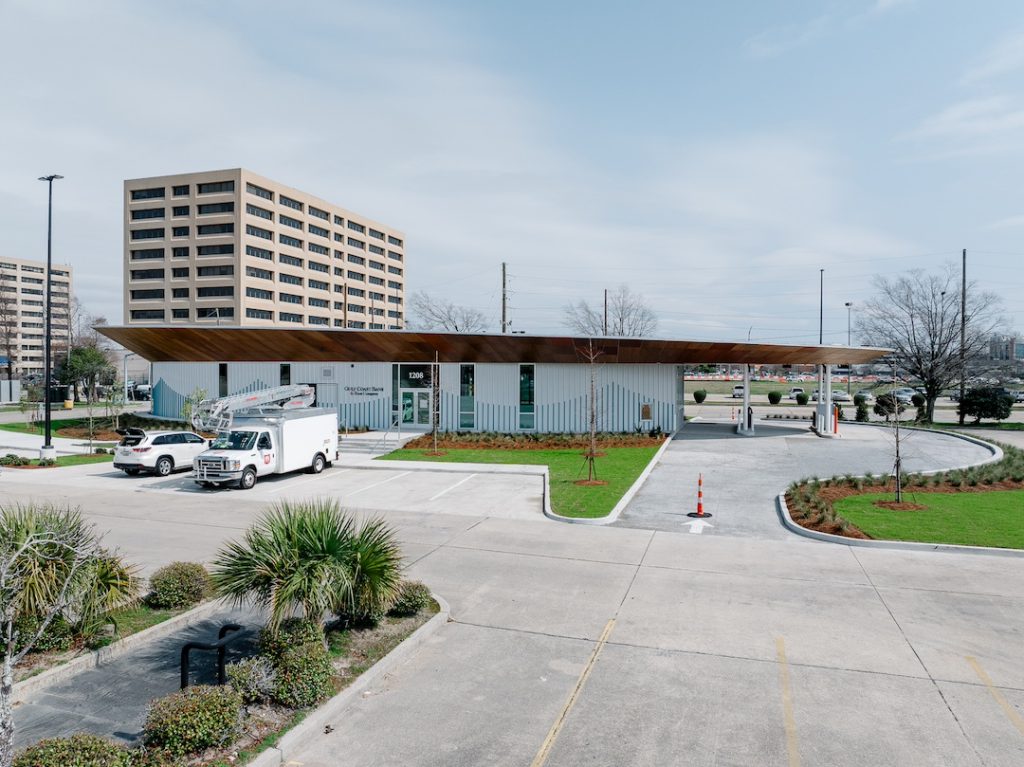
When people think about hurricane damage, they often picture missing roofing materials, fallen trees or water pouring into a building. And while those are definitely possible, hurricane-related roof damage is not always immediate or obvious. In many cases, severe weather creates stress on a roofing system long before major problems become visible.
Understanding how hurricanes affect your roof can help you identify vulnerabilities, protect your investment and make informed maintenance decisions throughout storm season.
Hurricanes Test Every Part of a Roofing System
Your roof is an intricate system of components working together to protect your building from outside elements. During a hurricane, roofing systems are exposed to a wide variety of potentially catastrophic damage, including:
- High winds
- Wind-driven rain
- Flying debris
- Rapid pressure changes
Each of these forces affects roofing materials differently. Even if a roof survives a storm without visible damage, those conditions can still weaken components and accelerate wear.
Why Roof Edges and Corners Matter
Not all areas of a roof experience the same level of stress during a hurricane. Roof edges, corners and perimeter sections often experience the highest wind pressures during severe weather. These areas are more vulnerable to uplift forces that can loosen materials, damage flashing and create entry points for water.
Once these areas become compromised, the rest of the roofing system becomes more vulnerable during future storms. This is one reason professional roof inspections often focus closely on roof perimeters following significant weather events.
Wind-Driven Rain Can Find Small Weaknesses
Heavy rainfall is expected during hurricanes, but the combination of rain and wind creates unique challenges in itself. Wind-driven rain can force water into areas that would normally remain watertight during a typical storm. Small gaps around flashing, penetrations or seams may suddenly become pathways for moisture intrusion.
The result may not be an immediate leak, but in some cases, moisture can become trapped within the roofing system and cause problems over time. These hidden issues can eventually impact insulation, interior finishes and overall roof performance.
Older Roofs Often Face Greater
Age alone does not mean a roof will fail during a hurricane. However, older roofing systems typically have more vulnerabilities than newer ones.
Years of exposure to Louisiana’s heat, humidity and severe weather can gradually weaken roofing materials. Previous repairs, aging sealants and normal wear all contribute to how a roof performs when a hurricane arrives.
If you’re a property owner with an aging roofing system, you should pay close attention to maintenance and inspection schedules during hurricane season. And please feel free to reach out to our roofing experts at Coleman Roofing to set up a free roof inspection.
How Different Roofing Systems Respond to Hurricanes
Metal Roofing
Metal roofing is known for its durability and strong wind resistance. Properly installed metal roofing systems can perform exceptionally well during hurricane season while providing long-term value for commercial and industrial properties.
TPO/PVC Roofing Systems
These commercial roofing systems are commonly used throughout Louisiana because they offer dependable performance and weather resistance. Regular maintenance helps ensure seams, flashings and attachment systems remain secure when severe weather develops.
Shingle Roofing
Shingle roofing remains a popular option for many properties with shingles often being more susceptible to wind-related damage during hurricanes. Missing shingles can expose underlying materials to water intrusion and create larger repair needs if not addressed quickly.
Small Problems Can Become Larger Problems
One of the biggest misconceptions about hurricane damage is that major issues always appear immediately.
In reality, severe weather can create small vulnerabilities that continue to worsen over time. A loosened flashing detail, a partially separated seam or minor membrane damage may not attract attention right away. Months later, those issues can develop into leaks, interior damage or costly repairs.
Consistent roof inspections can help identify:
- Aging roofing components
- Areas vulnerable to wind uplift
- Drainage concerns
- Damaged flashing or seams
That is why routine inspections are so important during hurricane season. Identifying small concerns early is often the most effective way to avoid larger expenses later.
Trust Coleman Roofing to Protect Your Investment
Since 1982, we have helped commercial and industrial property owners across Louisiana navigate the challenges that hurricane season brings. Our team understands how Gulf Coast weather affects roofing systems and works closely with clients to identify issues before they become costly problems.
Helping Louisiana Businesses Stay Protected
Hurricane season places unique demands on every roofing system. While storms cannot be prevented, property owners can take steps to better understand their roof’s condition and address vulnerabilities before they lead to larger issues.
A proactive approach to inspections and maintenance can help extend roof life, improve performance and provide greater peace of mind throughout storm season.
With offices in Gonzales, Baton Rouge and Lafayette, our team at Coleman Roofing supports clients across Louisiana and surrounding communities. Contact our team today to schedule a roof inspection and help ensure your property is prepared for Louisiana’s toughest weather conditions.